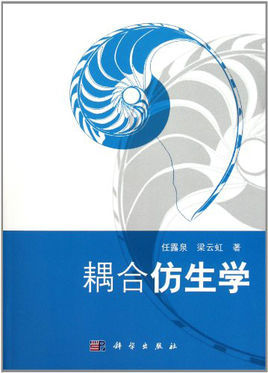
This book systematically elaborates on the basic concepts, fundamental theories, classification principles, research methods, and technical frameworks of bionics. It showcases the unique appeal of bionics as a frontier interdisciplinary field through numerous up-to-date research cases from China and abroad.
Key Features: The book is renowned for being systematic, cutting-edge, innovative, and engaging. It not only clarifies the essence and developmental logic of bionics but also provides a profound explanation of the fundamental principle that "nature is the teacher of humanity" through comparative analysis between humans and biological systems.
Content Scope: The 14 chapters cover basic concepts, classifications, and essential elements of bionics, analyses of perception, control, and response relationships between humans and organisms, as well as the fundamental principles, tenets, and main research methodologies and technologies of bionics.
Educational Application: This book is a classic introductory text for learning bionics. It serves as the designated textbook for the well-known MOOC "Bionics: Learning from Nature" offered by Jilin University, with its 34 video lectures closely aligned with the textbook content, effectively supporting bionics education.